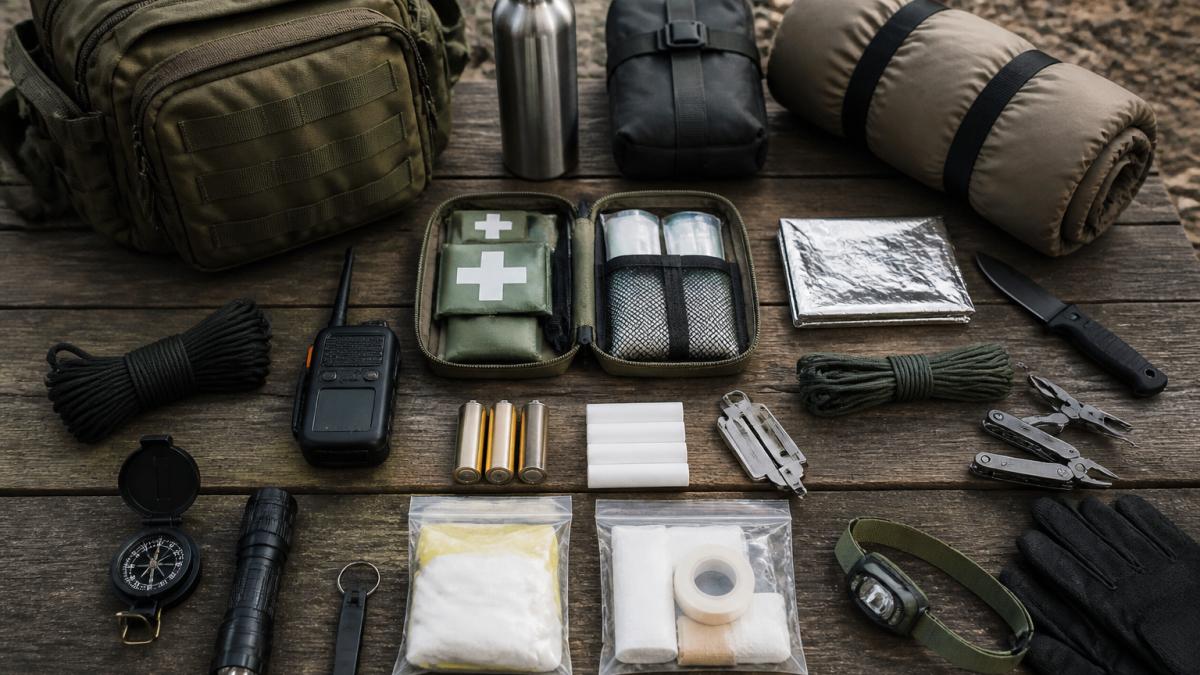
 listicle
Essential Survival Gear for Hiking Trips: 2026 Checklist
Table of Contents
- 1. Navigation Tools for Hikers: Map, Compass, and Monocular
- 2. Hiking First Aid Kit Essentials: What You Actually Need
- 3. Water Treatment and Hydration Systems for the Trail
- 4. Fire Starting and Emergency Shelter: Core Survival Gear
- 5. How to Pack a Survival Kit for Day Hikes (Step-by-Step)
- 6. Signaling, Illumination, and Emergency Communication
- 7. Seasonal Gear Adjustments and Maintenance for Survival Gear
- Conclusion: Building Your Reliable Survival Gear Checklist
- Frequently Asked Questions
Last Updated: September 30, 2026
1. Navigation Tools for Hikers: Map, Compass, and Monocular
Essential survival gear for hiking trips starts with navigation, because getting lost is the emergency that creates every other emergency. A topographic map and baseplate compass weigh almost nothing and work when your phone dies.
Paper navigation is your primary system, not your backup. Batteries fail in cold weather. Screens crack. A map does neither.
Pair them with a compact monocular for scouting terrain ahead. The U.S. Forest Service guide to wilderness navigation recommends carrying both a map and compass on every backcountry trip, regardless of trip length.
How to Use a Topographic Map and Compass Together
- Orient the map by aligning its north arrow with your compass needle
- Identify two landmarks you can see and find them on the map
- Draw sight lines from each landmark; where they cross is your position
- Set your bearing to the next waypoint and follow it, checking every 15 minutes
A common mistake is relying on a phone app as your only navigation tool. In practice, that means one dead battery turns a day hike into a search and rescue call.
2. Hiking First Aid Kit Essentials: What You Actually Need
A hiking first aid kit essentials list should cover blisters, cuts, sprains, and allergic reactions. Most store-bought kits over-pack bandages and under-pack trauma supplies.
Build around four categories: wound care, blister treatment, medications, and trauma. Adventure Medical Kits Mountain Series organizes supplies by injury type, which saves time when your hands are shaking.
Blister Care, Trauma Supplies, and Medications
- Blister care: Moleskin, hydrocolloid bandages, alcohol wipes
- Trauma supplies: Gauze rolls, medical tape, elastic bandage, trauma shears
- Medications: Ibuprofen, antihistamine, personal prescriptions, electrolyte tablets
- Tools: Tweezers, tick key, nitrile gloves
3. Water Treatment and Hydration Systems for the Trail
Water treatment and hydration systems prevent the most common backcountry illness: gastrointestinal infection from untreated water. Carry two treatment methods so one failure does not end your trip.
A squeeze filter handles most flowing water sources. Purification tablets back it up at almost no weight penalty. CDC guidance on backcountry water treatment notes that no treatment method is perfect, which is why redundancy matters.
Hydration systems keep you drinking steadily instead of stopping to unscrew a bottle. Aim for roughly half a liter per hour of moderate hiking, more in heat or at altitude.
4. Fire Starting and Emergency Shelter: Core Survival Gear
Fire starting and emergency shelter form the thermal core of any survival kit. Hypothermia can develop in temperatures well above freezing once wind and wet clothing combine.
Carry three fire methods: waterproof matches, a ferrocerium rod, and a lighter. Each fails differently, and redundancy costs almost nothing.
Fire Starters, Bivvy Sacks, and Emergency Blankets
An emergency blanket reflects body heat and weighs next to nothing. A bivvy sack goes further, blocking wind and moisture while you wait out weather or an injury.
5. How to Pack a Survival Kit for Day Hikes (Step-by-Step)
Packing a survival kit for day hikes comes down to layering: navigation, water, fire, shelter, first aid, and signaling. Total weight for a day kit should stay under about 4.5 kilograms (10 pounds).
- Start with the essentials: map, compass, water treatment, headlamp
- Add first aid and fire-starting tools
- Pack emergency shelter and an insulating layer
- Include signaling devices and communication
- Weigh the pack, then cut anything you did not use on your last three hikes
Weight-to-Utility Ratio: What to Leave Behind
Every item should earn its place. A titanium spork at 12.95 dollars earns it; a second cooking pot usually does not.
Leave behind duplicate cooking gear, heavy camp chairs, and cotton clothing. Cotton holds moisture and pulls heat from your body.
6. Signaling, Illumination, and Emergency Communication
Signaling and illumination gear gets you found when everything else has failed. A headlamp, whistle, and signaling mirror together weigh less than a sandwich.
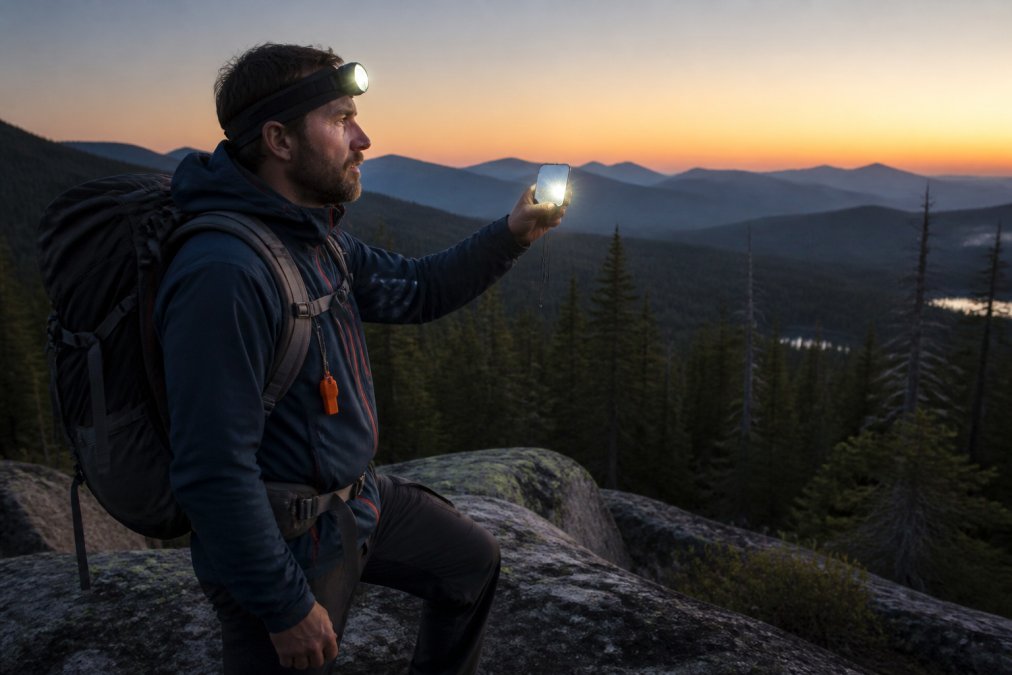
Carry a headlamp with spare batteries, a pealess whistle, and a signaling mirror. A satellite messenger is worth the weight for solo hikers beyond cell coverage, since FEMA guidance on personal emergency preparedness stresses planning for communication gaps before they happen.
7. Seasonal Gear Adjustments and Maintenance for Survival Gear
Seasonal adjustments matter more than most hikers admit. The kit that works in July can leave you exposed in November, and the reverse is also true.
Winter adds insulation, traction devices, and a more serious shelter. Summer adds water capacity, sun protection, and insect protection. Shoulder seasons demand both.
Maintenance follows a simple rhythm: inspect your kit before every trip, replace expired medications annually, and test fire starters and headlamps each season. Gear that sits unused for a year tends to fail when you finally reach for it.
Conclusion: Building Your Reliable Survival Gear Checklist
The hardest part of preparedness is knowing where to start without buying random gear. Build your kit in layers, test it on short trips, and replace what fails.
Holy Prepper stocks carefully chosen survival and emergency preparedness gear at affordable prices, from first aid supplies to pet care essentials, all through a fast and user-friendly shopping experience. We leverage years of industry expertise to carefully curate a selection of reliable products.
Get started with Holy Prepper and build a hiking kit you can actually trust when the weather turns.
Frequently Asked Questions
What are the 10 essential things to bring when hiking?
The 10 essentials include navigation tools (map, compass), sun protection, insulation layers, illumination (headlamp), first aid supplies, fire-starting materials, repair tools, nutrition, hydration, and emergency shelter. For hiking trips, customize this list based on season and terrain. Always carry a way to purify water and a signaling device like a whistle. A well-packed survival gear checklist ensures you are ready for unexpected delays or injuries.
What are some essential survival items to bring when hiking?
Beyond the 10 essentials, bring a multi-tool, duct tape, and a compact bivvy sack. A navigation tools for hikers setup should include a topographic map and compass, not just a phone. Fire starters like waterproof matches and a ferro rod are critical. Pack a hiking first aid kit essentials with blister care and trauma supplies. These items address the most common emergencies: getting lost, injury, and hypothermia.
What is the 3 layer rule for hiking?
The 3-layer rule refers to your clothing system: a base layer (moisture-wicking), a mid layer (insulation like fleece or synthetic jacket), and an outer shell (wind/waterproof). This system allows you to regulate temperature as you move. For survival gear, this means packing layers that work together. Avoid cotton, which holds moisture and loses insulation when wet. Adjust layers as your exertion level changes.
How do you pack a lightweight survival kit for day hikes?
Start with a small stuff sack or pouch. Include only multipurpose items: a mini first aid kit, water purification tablets, a fire starter, a compact emergency blanket, and a whistle. For navigation tools for hikers, a map and compass weigh little. Choose gear that serves multiple purposes, like a bandana or duct tape. Test your kit on a short hike to see if you can carry it comfortably without excess weight.