 blog
blog
Electric Generator Solar Power: 2026 Buyer's Guide
Table of Contents
- What to Know Before Buying an Electric Generator Solar Power System
- How to Size an Off-Grid Power System
- Using a Solar Generator Run Time Calculator
- Solar Generator vs Gas Generator Maintenance
- Battery Capacity and Chemistry: LiFePO4 vs NMC
- Cold Weather Performance and Panel Integration
- Long-Term Cost of Ownership and Repairability
- Frequently Asked Questions
Last Updated: September 25, 2026
What to Know Before Buying an Electric Generator Solar Power System
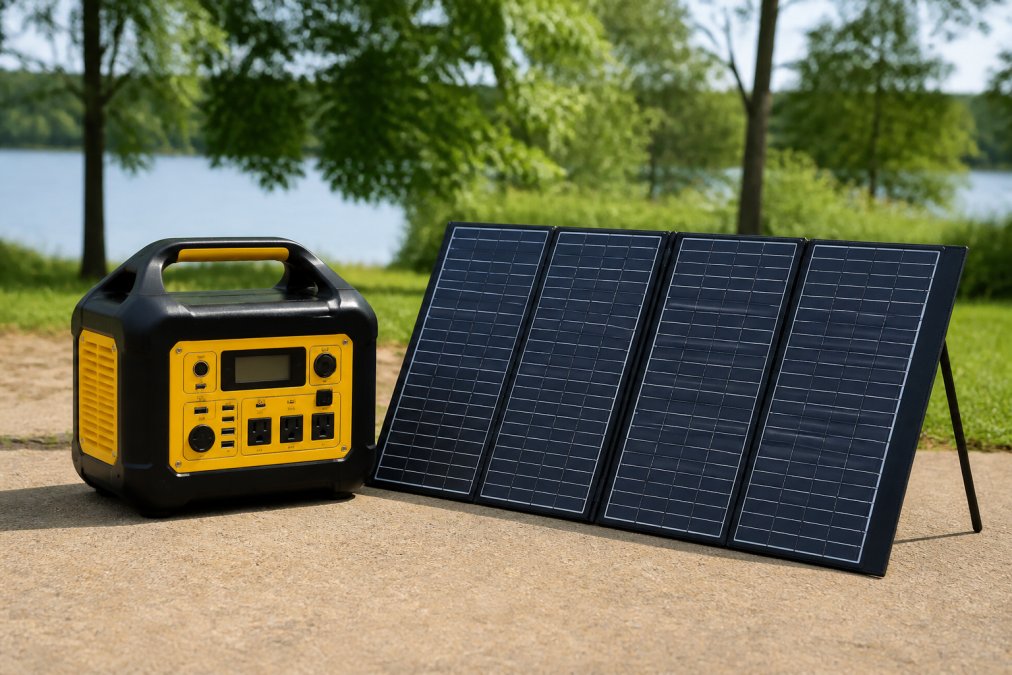
An electric generator solar power system is a battery-based unit that stores energy collected by solar panels and delivers it as standard household current when you need it. Unlike a gas unit, it has no engine, no fuel, and no exhaust.
Here is the part most buyers get wrong: they shop by wattage alone. A generator's real-world usefulness depends on battery capacity in watt-hours, continuous output, surge handling, and how fast the battery refills. Get those four numbers right and the rest usually falls into place.
This guide walks through sizing, chemistry, cold-weather behavior, and long-term cost so you can choose with confidence rather than guesswork.
Solar Generator vs Gas Generator: The Maintenance Difference
Gas generators demand oil changes, spark plug swaps, fuel stabilizer, and carburetor cleaning. Skip those tasks and the unit may not start when the power goes out.
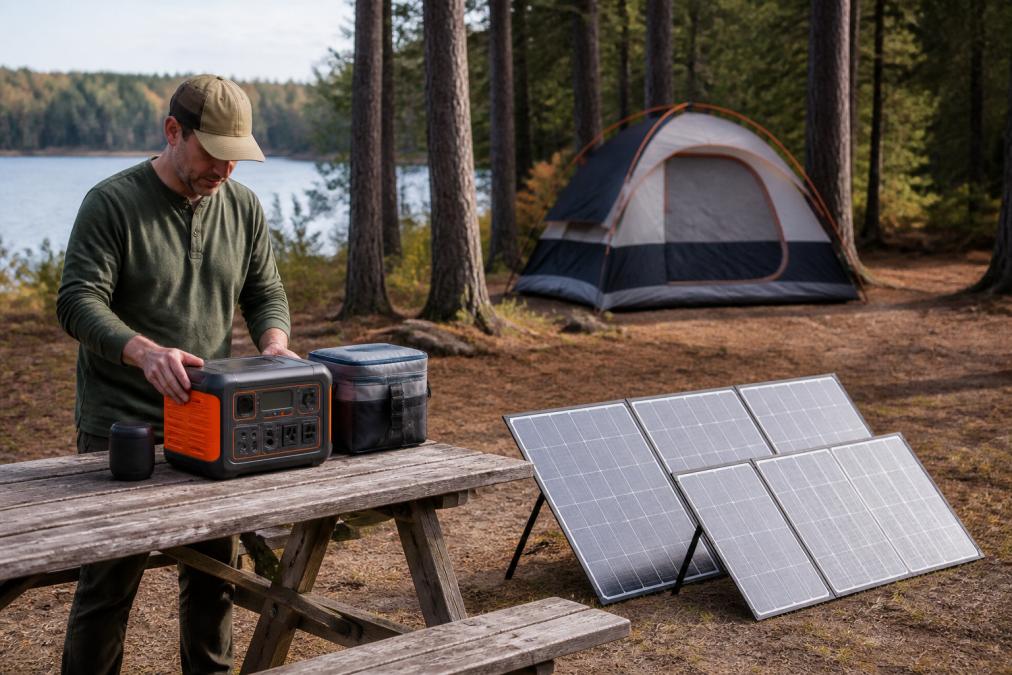
Solar units have none of that. No fuel to store, no oil to change, no exhaust to vent. A common mistake is assuming this means zero upkeep. In practice, you still need to keep panels clean, store the battery in a temperature-controlled space, and run a full discharge and recharge cycle a few times a year. That is the whole list.
How to Size an Off-Grid Power System
Off-grid power system sizing comes down to one question: how many watt-hours do you actually consume in a day? Add up each device's watts multiplied by hours of use, then add headroom.
A typical starting point for a small household backup looks like this:
| Load | Watts | Hours/Day | Watt-Hours |
|---|---|---|---|
| LED lights | 40 | 5 | 200 |
| Phone and laptop charging | 65 | 4 | 260 |
| Refrigerator | 150 | 8 | 1,200 |
| CPAP or medical device | 60 | 8 | 480 |
| Daily total | 2,140 |
Once you have that number, add 20 to 30 percent for inverter losses and unexpected loads. Then check peak power: the highest surge your system must survive when a motor or compressor kicks on.
Calculating Daily Watt-Hours and Peak Load
Continuous wattage covers steady draws. Peak power covers the split-second surge when a fridge compressor or pump starts, often two to three times the running load.
Look for a pure sine wave inverter with surge protection rated well above your largest single appliance. Cheaper modified sine wave units can cause electronics to hum or misbehave. That is a detail worth paying attention to before you buy, not after.
Using a Solar Generator Run Time Calculator
A solar generator run time calculator estimates how long a battery will power a given load. The basic math is simple: divide usable watt-hours by the load's wattage.
Start with the honest version of the equation:
Run time (hours) = (Battery watt-hours × depth of discharge × inverter efficiency × temperature factor) ÷ load wattage
Here is how each variable behaves in practice:
- Depth of discharge (DoD): Most lithium iron phosphate (LiFePO4) units allow 80 to 90 percent before the battery management system (BMS) cuts off. Some manufacturers cap DoD lower to protect cycle life. Use the usable number, not the nameplate.
- Inverter efficiency: Pure sine wave inverters typically convert stored DC power to household AC at roughly 85 to 90 percent efficiency. That means a 1,000 watt-hour battery delivers closer to 850 to 900 watt-hours of AC output, not 1,000.
- Temperature factor: A lithium battery at freezing loses meaningful usable capacity, and many units refuse to charge below a cutoff threshold. A battery stored at 32°F may deliver noticeably less than one kept at 70°F.
Worked Example
A 1,000 watt-hour LiFePO4 battery with 85 percent usable capacity and a 90 percent efficient inverter gives roughly 765 usable AC watt-hours. Running a 100-watt device, that is about 7.6 hours, not the 10 hours the nameplate suggests.
Turning Run Time Into Long-Term Cost
This is where most buying guides stop, and where the real decision lives. Run time is not just a convenience metric, it is the input for a cost-of-ownership comparison against a gas generator.
Solar Generator vs Gas Generator Maintenance
Solar generator vs gas generator maintenance is not a close contest on paper, but the difference is more nuanced than "one needs service, the other does not." Each has a distinct failure mode, and understanding both is what separates a system that still works in year five from one that does not.
Gas Generator Maintenance Reality
A gasoline generator is a small engine, and it demands the same care as any small engine:
- Oil changes on a schedule tied to run hours, not calendar time.
- Spark plug replacement as electrodes wear.
- Fuel stabilizer in stored gasoline, plus rotation, because untreated fuel degrades over months and can gum up a carburetor.
- Carburetor cleaning when stale fuel or ethanol blends leave deposits.
- Air filter and cooling fin cleaning to prevent overheating.
- Exercise runs under load every few weeks so the unit starts when you actually need it.
Solar Generator Maintenance Reality
A solar generator has no engine, no fuel, and no exhaust, so the engine-related tasks disappear. What remains is battery and panel care:
- Keep panels clean. Dust, pollen, and snow reduce solar intake, and a partially shaded panel can drag down an entire string.
- Store the battery in a temperature-controlled space. Extreme heat accelerates cell degradation, and charging a cold lithium battery can cause damage, which is why many units include a low-temperature cutoff.
- Run a full discharge and recharge cycle a few times a year to keep the BMS calibrated and the cells balanced.
- Check connections and cables for corrosion or looseness, especially on portable panels that get handled often.
Where Solar Units Actually Fall Short
The honest trade-off is recharge speed and repairability, not routine upkeep. A gas unit refuels in minutes and runs as long as you have fuel. A solar array might need a full day of good sun to refill a large battery, and cloudy stretches stretch that further. If you need indefinite runtime during a long outage, pair the battery with a generator or grid charging rather than relying on panels alone.
The Repairability Angle Most Guides Skip
- Modular systems with replaceable battery modules and expandable capacity let you add storage or swap a worn pack without discarding the inverter, charge controller, and enclosure. That is the difference between a repair and a replacement.
- Sealed systems with non-replaceable batteries become e-waste once the cells fade, even if every other component still works.
For most households, the deciding factor is not raw power or even routine maintenance. It is whether the system can be repaired and expanded five years from now with minimal fuss.
Battery Capacity and Chemistry: LiFePO4 vs NMC
Lithium iron phosphate (LiFePO4) batteries trade energy density for longevity and safety. NMC batteries pack more watt-hours per pound but typically tolerate fewer recharge cycles and more heat sensitivity.
Cold Weather Performance and Panel Integration
Lithium batteries lose usable capacity in freezing temperatures. Charging a cold lithium battery can also cause damage, which is why many units include a low-temperature cutoff.
Long-Term Cost of Ownership and Repairability
The purchase price is only part of the story. A gas generator adds fuel, oil, filters, and eventual engine wear. A solar unit adds occasional panel replacement and, eventually, a battery pack.
Frequently Asked Questions
Can a generator run on solar power?
A solar generator does not burn fuel. It stores energy from solar panels in a battery bank, then converts that stored DC power into standard AC output through a pure sine wave inverter. A 400W solar array feeding an MPPT controller can refill a mid-size unit in roughly 5 to 8 hours of good sun, depending on battery capacity and solar conversion efficiency.
What will a 3000 watt solar generator run?
A 3000W unit with 3,000 to 5,000 watt-hours can run a refrigerator, Wi-Fi router, LED lights, phone chargers, and a laptop for a full day, or a small window AC unit for 2 to 4 hours. Continuous wattage matters more than peak power for long loads. Use a solar generator run time calculator to match watt-hours to your actual appliances before buying.
Are solar generators worth the investment for emergency backup?
For outages under a few days, they cover phones, medical devices, lights, and a fridge without fuel storage or carbon monoxide risk. The tradeoff is higher upfront cost than a gas unit. Look at recharge cycles and depth of discharge to estimate long-term value, and check whether the battery is replaceable so the unit lasts beyond a single warranty period.
How does solar generator vs gas generator maintenance compare?
Gas generators need oil changes, spark plug service, fuel stabilizer, and monthly test runs to prevent carburetor gumming. A solar generator has no engine, so upkeep is mostly keeping panels clean and storing the battery between 40 and 80 percent charge. Fewer moving parts means lower ongoing cost, though battery replacement is the main long-term expense.
The real challenge with electric generator solar power is matching capacity, chemistry, and cold-weather behavior to how you actually live. Holy Prepper stocks a curated range of survival and emergency preparedness gear, including power solutions chosen for reliability and value, backed by a fast, user-friendly shopping experience and real customer service. Get started with Holy Prepper and build a backup plan that holds up when the grid does not.